
17 April 2026
Why we pour soy
An honest look at the four waxes you'll see on a candle label — and the trade-offs behind each.
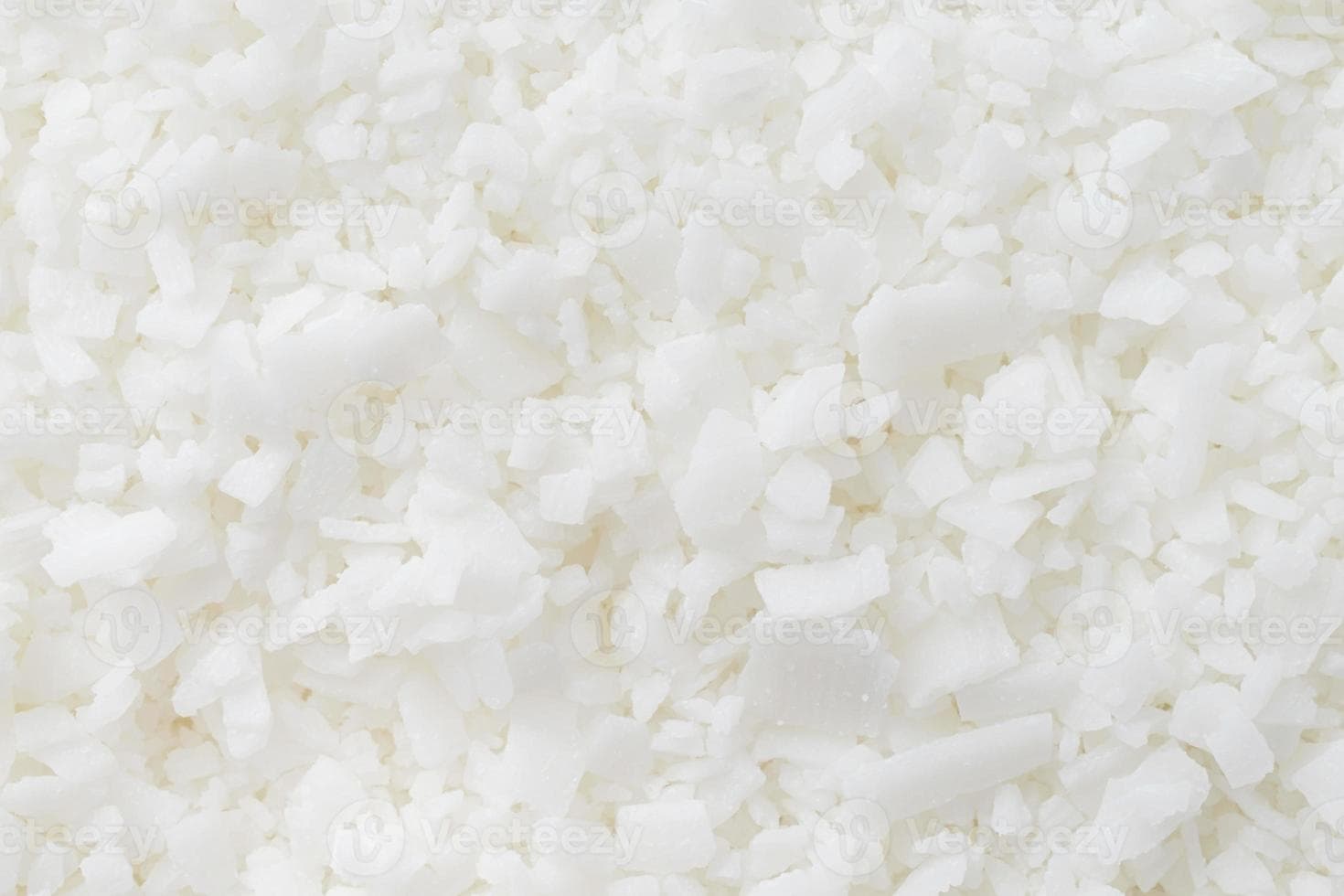
Most candles on the shelf fall into one of four waxes. Each has real strengths and real costs. Here is the short version, with nothing dressed up.
Paraffin
The most common wax, and the cheapest. It is a byproduct of petroleum refining, which is why a paraffin candle can sit at three euros in a supermarket. Its main advantage is scent throw — paraffin releases fragrance strongly, because its molecular structure holds a lot of oil.
The trade-off is visible. Paraffin burns hotter, which means it burns through faster, and it tends to leave more soot on the inside of the vessel and on nearby walls over time. It is petroleum-derived, so it is not renewable in any meaningful sense.
Beeswax
The oldest candle wax on record — the Egyptians were pouring it four thousand years ago. It has the highest melting point of the four (around 62 °C), which gives it the longest burn time per gram of any common wax. It carries a faint natural honey note.
Three reasons it is rare in scented candles: it is the most expensive, it is not vegan, and its own aroma can compete with fragrance oils rather than stepping aside for them. Beeswax is excellent for pure unscented pillars; it is a harder sell for layered scents.
Coconut
Made from the meat of the coconut, typically hydrogenated to stabilise it. Pure coconut wax is very soft — so soft that almost every "coconut" candle you see is actually a coconut-soy or coconut-apricot blend. Coconut blends have excellent scent throw and a smooth, consistent burn.
Our only hesitation is the supply chain. Coconut wax is newer, less standardised, and pricing is volatile. A blend can also be labelled "coconut" with as little as 10% coconut in it.
Palm
We do not use it. Palm is associated with large-scale deforestation in Southeast Asia, and while RSPO-certified palm exists, the certification has been inconsistently enforced. The scent and burn are unremarkable. There is no reason to take the risk.
Why soy
Soy wax is pressed from the oil of soybeans and hydrogenated to solidify. It is renewable (the US alone harvests roughly 4 billion bushels of soy a year), plant-based, and biodegradable. Its melting point sits around 50 °C — lower than paraffin and beeswax — so it burns cooler and more slowly. A 220g soy candle will typically give you 40–45 hours. The same candle in paraffin would give you roughly 30.
Cleaner burn is the second reason. Because soy melts at a lower temperature, the wick doesn't need to pull as hard, which means less soot. Any spills wash out of fabric with warm water and soap, not solvents.
The honest trade-off
Soy is not a silver bullet. Its scent throw is very good, but a paraffin candle of the same size will smell stronger in a large room. Pure soy can develop small surface frosting as it cools — a sign of a natural wax, not a defect, but some people find it unfamiliar. We accept both of those things. Cooler burn, longer life, and a renewable origin are worth more to us than maximum scent intensity.
That is why we pour soy. It's a considered compromise — and every candle in our collection is made with it.